Bootleg Cartridges and Borrowed Worlds: Inside the Underground Scene Finishing Games Corporations Abandoned
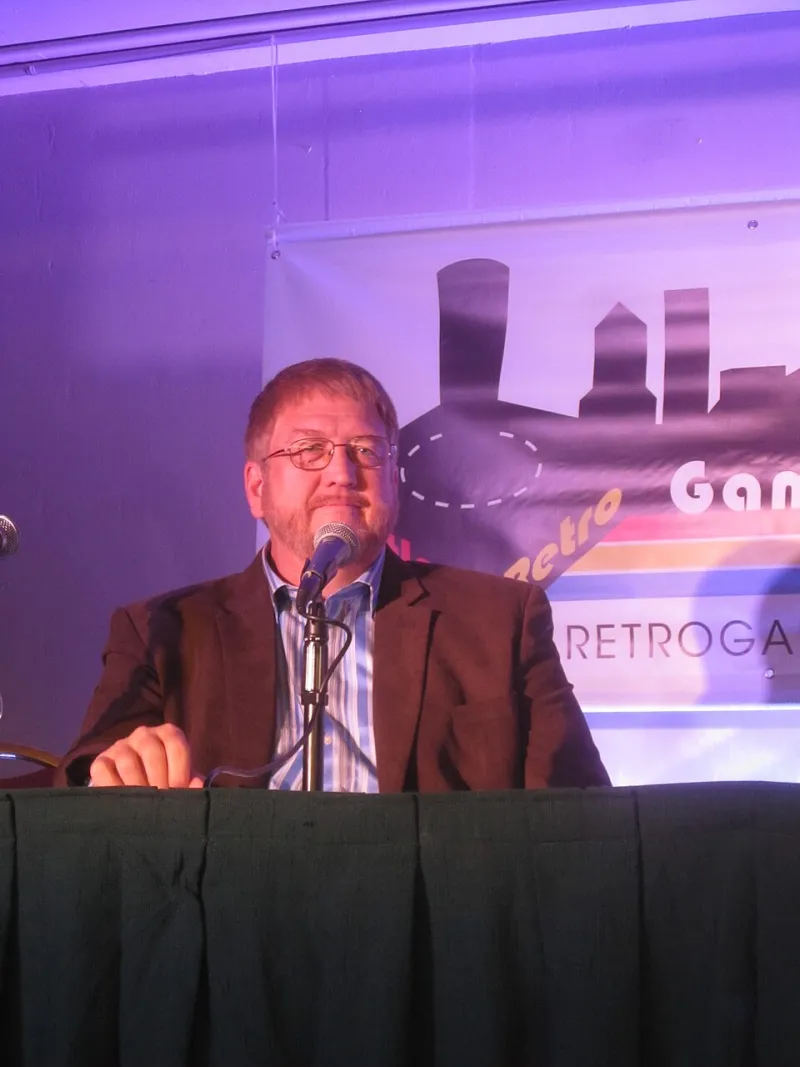
Photo: Joe Grand from San Francisco, CC BY-SA 2.0, via Wikimedia Commons
Picture a game you loved when you were twelve. Not a franchise that got a remaster or a nostalgia-bait sequel — something smaller. A cult RPG that sold modestly, got a single sequel, and then quietly disappeared when the studio restructured. A platformer that was mid-tier in its day but formative for a specific slice of the population who grew up renting it from Blockbuster on rainy Saturdays. A point-and-click adventure that critics called 'charming' and then the publisher folded and the IP got absorbed into a holding company that has done nothing with it in twenty years.
Now picture someone, somewhere, finishing it for you.
That's the proposition at the center of an underground game development scene that's been quietly expanding for the better part of a decade. Unauthorized. Unlicensed. Often free. Sometimes sold for a few bucks through channels that stay deliberately low-profile. These are the games that shouldn't exist, built by people who couldn't stop themselves from making them.
Why Abandoned Games Create a Vacuum
The economics of game publishing have always created orphans. A studio closes, an IP transfers to a parent company with different priorities, a licensing deal expires and nobody renews it. The game disappears from digital storefronts. Physical copies circulate on eBay for prices that exclude everyone except the most committed collectors. The community that built up around the game — forums, fan wikis, speedrun leaderboards — keeps existing in a kind of cultural amber, loving something that the industry has effectively declared dead.
For a long time, the response to this was fan fiction and ROM hacks. Dedicated modders would crack open existing game files and rebuild levels, retranslate dialogue, rebalance mechanics. That work is still happening, and it's impressive, but a newer cohort has started going further. They're building entirely new games — original code, original assets — that exist in the same world, continue the same story, or just feel like the spiritual heir to something that got cut off too early.
"The company doesn't want it anymore," says one developer who goes by a username borrowed from a forgotten SNES-era character. "They're not making money on it. Nobody's playing it officially. And there's this whole community of people who still care deeply. At some point you have to ask who the IP is actually serving."
How Creators Stay (Relatively) Safe
The legal landscape here is genuinely treacherous, and the people navigating it have developed a set of pragmatic strategies that range from clever to barely-holding-together.
The most common approach is the 'spiritual successor' frame. Instead of calling your game a sequel to the beloved abandoned title, you file off the serial numbers. Different character names, different world names, different enough aesthetic that a cease-and-desist would require proving substantial similarity rather than just trademark infringement. Some of these projects are so thoroughly transformed that they've essentially become original works that happen to scratch the same itch — which is arguably what great fan creativity has always done.
Others operate more nakedly. They use the original names, the original character designs, sometimes even original assets ripped and cleaned up. These projects tend to live on itch.io under accounts that rotate, distributed through Discord servers with invite-only access, passed around via direct links on subreddits where everyone understands the implicit rules about what you do and don't say out loud. The risk is real, but the enforcement tends to be inconsistent. Publishers with no current commercial interest in a property often don't bother sending takedowns. When they do, the project quietly disappears, and then just as quietly reappears somewhere else under a slightly different name.
A few creators have found an unexpected middle path: making contact with former developers from the original studios. Ex-employees who retain no IP rights but do retain institutional knowledge and, often, emotional attachment to work they're proud of. These informal collaborations don't provide legal cover, but they provide something arguably more valuable — the blessing of the people who built the thing in the first place.
The Texture of the Scene
Spend any time in these communities and the thing that strikes you is how un-cynical they are. This isn't the gray market energy of ROM sites or abandonware aggregators, where the vibe is transactional and the relationship to the source material is basically extractive. The people building unauthorized sequels are, almost universally, fans first. They talk about the games they're continuing with the kind of specific, granular love that only comes from having played something dozens of times.
One team — four people spread across three time zones who've never met in person — spent eighteen months building an unofficial third chapter to a late-nineties adventure game series. The original publisher hasn't released a game in the franchise since 2001. The team's project has no budget, no marketing, and no legal standing. It also has, by their count, been downloaded by over forty thousand people.
"We have people sending us messages saying they cried," one team member told me over Discord. "Because they'd given up on ever seeing these characters again. That's not nothing."
What Corporate Gatekeeping Actually Costs
The argument the industry makes for IP control is coherent in the abstract: creators deserve to control their work, licensing has value, unauthorized use undermines commercial incentives. But the argument breaks down in specific cases where the commercial incentive has clearly been abandoned. When a publisher acquires a studio's back catalog and then does nothing with it for two decades, the IP control argument starts to look less like protection and more like hoarding.
The underground scene makes this visible in a way that official channels can't ignore forever. When an unlicensed sequel generates tens of thousands of downloads and a community of engaged players, it's a pretty clear signal that demand exists. Some publishers have responded by finally greenlighting official revivals — not always crediting the fan projects that proved the market, which is its own kind of irony.
Others have responded by sending takedowns and then doing nothing with the IP. Which is its own kind of answer.
The Bootleg as Love Letter
There's a version of this story that's about copyright law, and it's important. But the version that actually animates the scene is simpler. These are people who loved something enough to spend years of their free time making more of it, knowing they'd never be compensated, knowing the legal ground was shaky, knowing the audience would be small by mainstream standards.
The games they're making exist in the same SubStrata space as every other underground creative form — below the radar, outside the official channels, built for the people who already know why they matter. You won't find them on the PlayStation Store. You won't see ads for them. You'll find them because someone you trust on a Discord server drops a link and says 'you need to play this.'
Which is honestly how the best stuff has always traveled.