Tuned Out, Turned On: The Underground Listeners Keeping Pirate Radio's Pulse Alive
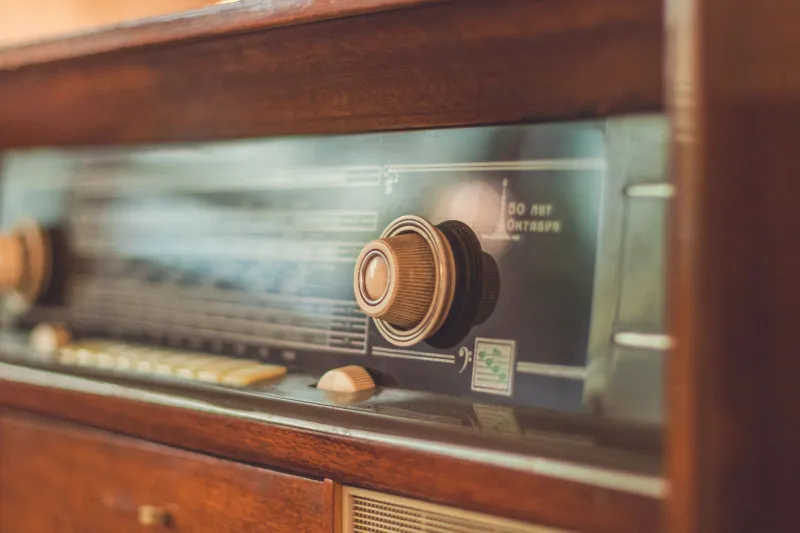
There's a particular kind of patience required to sit in front of a radio receiver at 2 a.m., scanning through static, waiting for something to bleed through that doesn't belong on any official chart. It's not glamorous work. It's not especially loud or dramatic. But for a loose-knit community of listeners spread across the United States — and plugged into each other through forums, Discord servers, and hand-maintained spreadsheets — that patient scanning is the whole point.
These are the people documenting pirate radio's ongoing, stubborn survival in the digital age. And they're treating it less like a hobby and more like an act of cultural rescue.
The Signal That Wasn't There
Pirate radio in America has always operated in the margins. Low-power FM stations broadcasting from apartment rooftops in Miami. Shortwave relays piggybacking on licensed frequencies from just over the Canadian or Mexican border. Weekend-only operations running out of church basements in rural Tennessee, playing gospel and community announcements to neighborhoods the commercial dial long ago abandoned.
The FCC has spent decades trying to push these operations off the air — and has had real success doing it. Enforcement actions, equipment seizures, fines that can run into the tens of thousands of dollars. The legal risk is genuine. But so, apparently, is the impulse to broadcast anyway.
What's changed in the last decade or so isn't the existence of pirate radio. It's the emergence of a listener community specifically oriented around documentation. Not just tuning in for entertainment, but treating every logged frequency as a data point worth preserving.
"There's this assumption that because something is illegal or semi-legal, it's inherently ephemeral," says one longtime contributor to a popular pirate radio logging database who asked to be identified only by his handle. "But these stations are broadcasting to real communities. They're playing music that matters to people. If nobody writes it down, it just disappears."
The Database People
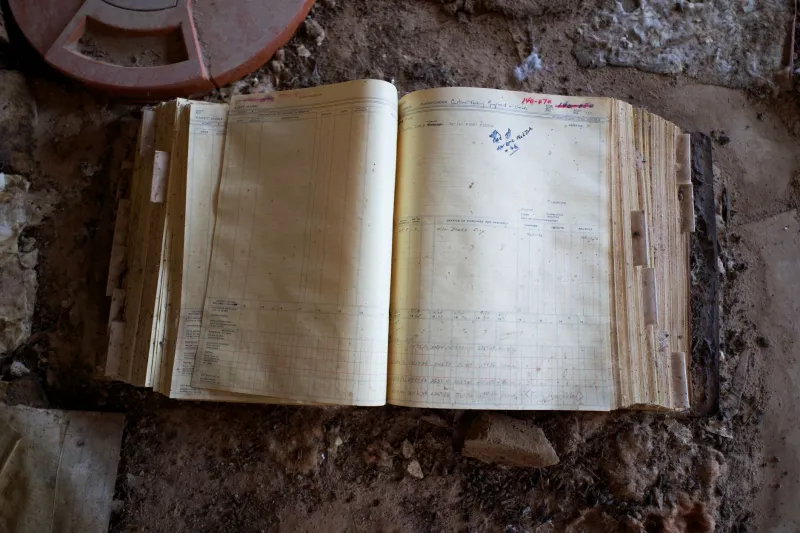
At the center of this preservation effort are a handful of community-maintained databases that aggregate listener logs from across the country. Entries typically include frequency, approximate broadcast time, location estimate based on signal strength, programming notes, and — when listeners can catch it — any identifying information the station broadcasts about itself.
Some of these databases have been running for over a decade. Others are newer, spun up in response to specific regional scenes — the notably active pirate FM cluster in the New York City metro area, for instance, or the shortwave hobbyist community focused on documenting North American operations that use frequencies nominally assigned to overseas broadcasters.
The methodology is surprisingly rigorous for something conducted entirely by volunteers. Listeners cross-reference logs from multiple geographic locations to triangulate broadcast origins. They track programming patterns to distinguish one-off operations from regular weekly shows. Some have built custom antenna arrays specifically to pull in weak or distant signals that would be invisible to a standard consumer receiver.
It's citizen science applied to a corner of broadcast culture that academic institutions and official archivists have largely ignored.
Why Bother?
The question worth asking is obvious: why go to all this trouble for stations that could vanish tomorrow — or get raided tonight?
Part of the answer is straightforwardly archival. Pirate radio has historically served communities that commercial and public broadcasting either couldn't or wouldn't reach. Immigrant communities broadcasting in languages the mainstream dial doesn't carry. Rural areas where the nearest licensed station is 80 miles away and plays nothing local. Urban neighborhoods where the cultural programming that actually reflects the community's tastes got squeezed out when corporate consolidation swept through the FM band in the late 1990s and 2000s.
Documenting these stations is, in that framing, a form of media history preservation — capturing evidence of what people actually wanted to hear, as opposed to what the market decided to give them.
But there's also something more visceral going on. The listeners who show up in these communities tend to describe a specific appeal to the act of finding a signal that isn't supposed to be there. There's a thrill in it. A sense of contact with something operating outside the official script.
"Commercial radio sounds like it was designed by a committee to offend nobody," one forum regular wrote in a thread about why she got into pirate logging. "Finding a station where somebody is just talking about their neighborhood, playing records they actually love, not worrying about advertiser relationships — it reminds you that broadcasting used to mean something different."
The Legal Gray Zone
It's worth being clear about the legal landscape here, because it's genuinely complicated. Listening to pirate radio is not illegal in the United States. Receiving a broadcast — even one that's being transmitted illegally — carries no legal risk for the listener. The FCC's enforcement authority is directed at operators, not audiences.
Documenting and sharing information about pirate stations exists in a murkier zone, though most legal observers consider it protected activity. The databases these communities maintain are careful to frame themselves as historical records rather than directories for would-be listeners, and most avoid publishing real-time location information that could function as a tip-off to regulators.
The operators themselves, of course, face real exposure. And the community of documenters is acutely aware that their archives sometimes outlast the stations they're recording. Logging a broadcast that gets taken off the air a week later is, in a way, the whole point — preserving evidence of something that would otherwise vanish without a trace.
The Archive as Argument
What makes this community interesting from a cultural standpoint is the implicit argument embedded in the archival work itself. By treating pirate broadcasts as worth documenting, these listeners are making a claim about their cultural value — one that runs against the grain of how these stations are officially categorized.
To the FCC, a pirate FM operation is a regulatory violation and an interference risk. To the communities that tune in, it might be the only place on the dial playing the music they grew up with, in the language they speak at home, with a host who actually knows the neighborhood.
The archivists are, in a quiet way, siding with the second interpretation.
"The history of American broadcasting is full of things that were technically illegal that we now recognize as culturally essential," another community member noted in a recent forum post. "Early rock and roll radio. College stations that broadcast without licenses. The whole FM underground of the 1960s. At some point, somebody has to write it down."
For now, that somebody is a few hundred people with good antennas, patient ears, and a stubborn conviction that the signals bleeding through the static are worth more than the official record acknowledges. They're out there right now, somewhere between midnight and 3 a.m., tuned to frequencies that don't officially exist — and taking very careful notes.