Stealing the Sky: The Renegade Broadcasters Carving Out Community on America's Forbidden Airwaves

Photo by Photo by Davit Margaryan on Unsplash on Unsplash
There's a frequency in South Chicago that plays cumbia from midnight until three in the morning. No call sign. No FCC license. No advertisers. Just a guy named Hector, a transmitter he built from a kit he found on a forum that's since gone dark, and a playlist that's been running for six years. His neighbors know the frequency by heart. His aunt calls in requests.
Hector is, technically, a federal criminal.
He's also part of a sprawling, loosely connected culture of unlicensed broadcasters who have decided — quietly, stubbornly — that the publicly owned airwaves belong to the public, legal definitions be damned.
The Spectrum Nobody Talks About
The FCC licenses the electromagnetic spectrum the same way the government leases offshore oil rights. Corporations, public institutions, and a handful of approved nonprofits get access. Everyone else is supposed to stay off the grass. But the grass is enormous, and enforcement is patchy at best.
Pirate radio in America isn't a new phenomenon — unlicensed stations have been operating since the early days of commercial broadcasting — but the current moment feels different. Cheap transmitter hardware has gotten cheaper. SDR (software-defined radio) technology has made it possible to build a functional station for under a hundred bucks. And a generation of people who grew up watching local media collapse into syndicated nothing have found a reason to care about what's on the radio again.
Estimates on the number of active unlicensed stations in the US vary wildly, partly because nobody's really trying to count them. The FCC logged several hundred enforcement actions in a recent fiscal year, but operators and hobbyists who track the scene will tell you that number represents a fraction of what's actually out there. The stations that get caught are usually the ones doing something dumb — broadcasting at high wattage in a major market, or running content that draws complaints.
The ones that survive tend to be small, smart, and deeply local.
The Art of Not Getting Caught
Talk to enough pirate operators and a common operational philosophy emerges: stay low, stay weird, stay useful.
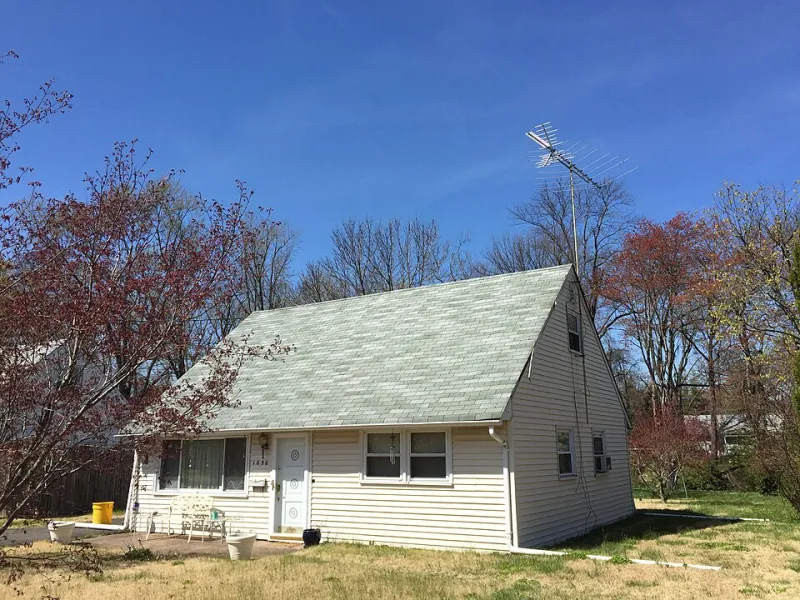
Low power is the first line of defense. A station broadcasting at five to ten watts covers maybe a few city blocks — enough to reach a neighborhood, not enough to bleed into licensed spectrum in ways that draw attention. Many operators run directional antennas specifically to contain their signal footprint. Some rotate frequencies, though that requires listeners to know where to look.
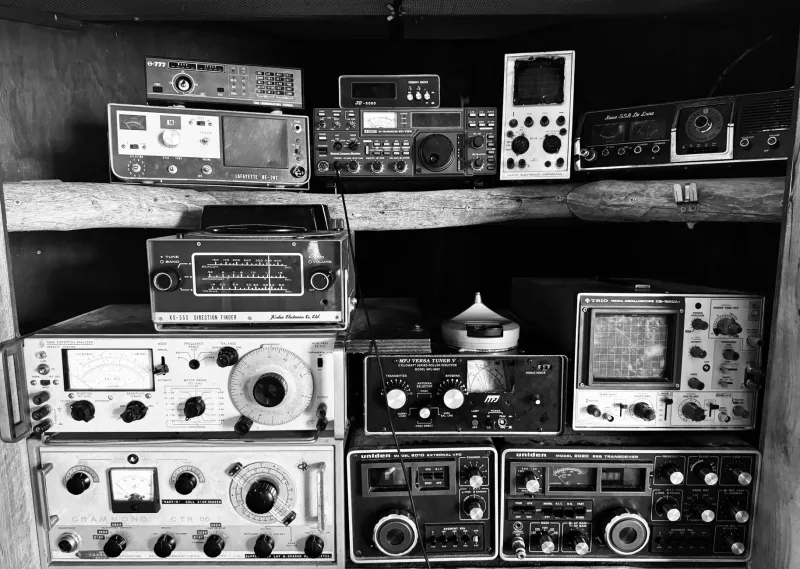
The technical ingenuity on display in these setups is genuinely impressive. Operators share schematics, troubleshooting tips, and sourcing advice through encrypted forums, private Discord servers, and old-school mailing lists that have been running since the dial-up era. There's a whole subculture of people who build their own transmitters from scratch — not because it's cheaper, but because a custom build is harder to trace back through a purchase record.
The FCC's enforcement arm is real but resource-constrained. Agents prioritize interference complaints — unlicensed stations that step on emergency services, aviation frequencies, or licensed commercial signals. A midnight cumbia station in a residential neighborhood, bothering nobody, is low on the priority list. Operators know this, and they plan accordingly.
More Than a Hobby, Less Than a Crime
Ask pirate radio operators why they do it and you get answers that don't sound like the profile of someone running an illegal operation. They sound like community organizers.
In rural Appalachian counties where local AM stations have shuttered, unlicensed FM operations have filled the gap — broadcasting weather, road conditions, local church announcements, and county fair schedules to communities that commercial radio abandoned years ago. In immigrant neighborhoods from Miami to the Central Valley, pirate stations broadcast in languages that the licensed dial doesn't serve. In college towns and arts districts, they function as the last genuinely independent music programming left — no label relationships, no format consultants, no algorithms.
Many operators frame what they do explicitly as preservation work. They're saving local sound, local voices, local information from the homogenizing pull of syndication and streaming. The fact that this preservation happens to violate federal telecommunications law reads, to them, as a problem with the law rather than with what they're doing.
"The spectrum was never supposed to belong to Clear Channel," one operator in the Pacific Northwest told us, declining to give a name for obvious reasons. "It belongs to the air. We're just borrowing it back."
The Community That Builds Around a Signal
What's easy to miss from the outside is how tightly woven the social fabric around these stations can get. Pirate radio isn't just broadcasting into a void — it creates listeners who feel like participants, neighbors who check in on each other, micro-communities that wouldn't otherwise have a gathering point.
Some stations take call-ins on burner phones. Others have built anonymous tip lines for local news that the mainstream press isn't covering. A few operate community bulletin boards — not online, but broadcast, read aloud during programming windows. It's radio doing what radio did before it became wallpaper.
The listener relationships these stations build are, by necessity, intimate. You don't stumble across a pirate station by accident — you hear about it from someone, you scan the dial looking for it, you tell a friend. The discovery is part of the bond. There's a reason people who listen to these stations talk about them the way they talk about a good independent record store: like a secret worth protecting.
The Cat, the Mouse, and the Future
The FCC has shown occasional interest in cracking down harder — there have been legislative pushes to increase fines for unlicensed broadcasting — but the practical reality is that the agency doesn't have the budget or the manpower to make a serious dent in the scene. Stations that get shut down often reappear within weeks, sometimes on a different frequency, sometimes with better equipment.
There's also a growing conversation within the pirate radio world about what legitimate pathways might look like. Low-power FM licenses exist, and some operators have pursued them. But the application process is slow, the windows for filing are infrequent, and the regulatory requirements feel designed for institutions rather than individuals. For a lot of operators, the bureaucratic cost of going legit outweighs the marginal protection it offers.
So they keep broadcasting. Hector keeps playing cumbia until three in the morning. Someone in rural Tennessee keeps reading the school lunch menu. Someone in East LA keeps spinning records that the streaming platforms don't have licenses to host.
The sky is big. The frequencies are many. And somewhere just past the static, there's a community that doesn't exist on any map — only on the dial.