Canon Outlaws: The Discord Writers' Rooms Refusing to Let Dead Shows Stay Dead
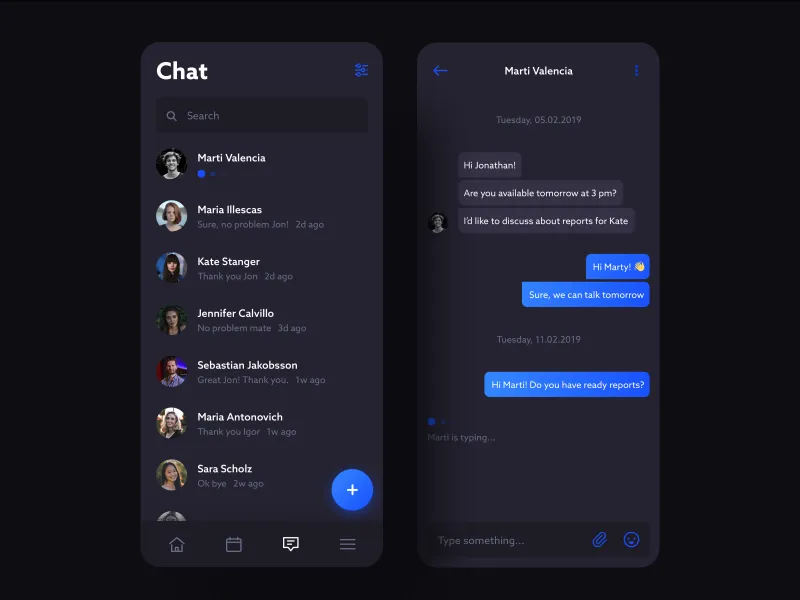
Photo: dark Discord chat interface collaborative writing group online, via i.pinimg.com
There's a server out there — you won't find it by Googling — where roughly four hundred people have spent the last two years writing the third season of a sci-fi drama that got axed after its second. They've got character sheets, timeline documents, a shared style guide, and a rotating council of contributors who vote on major plot decisions. They call it "the room." Nobody's getting paid. Nobody has a network note. And the work they're producing, according to the people doing it, is better than anything that aired.
This is the phantom fandom. And it's a lot more organized than you'd expect.
What Happens After the Cancellation Tweet
Most people process a cancelled show the normal way: they complain on social media for a week, maybe sign a petition that goes nowhere, and eventually move on. But a specific subset of fans — the ones who were already writing spec scripts in their heads during commercial breaks — do something different. They find each other.
Discord became the infrastructure of choice almost by accident. It wasn't designed for collaborative fiction. It's a chat platform built around gaming communities. But its combination of persistent channels, role-based permissions, threaded conversations, and bot integrations turned out to be weirdly perfect for running what amounts to a distributed writers' room. You can have a channel for continuity questions, one for in-progress scene drafts, one for character voice checks, and a locked archive for finalized "episodes" — all under one server roof.
The communities that build these spaces are doing something genuinely new. It's not traditional fan fiction, which tends to be solo work posted to AO3 or Tumblr for passive consumption. It's not roleplay in the classic forum sense either. It's somewhere in between — collaborative, serialized, structured like a production, and often interactive in ways that let readers vote on story directions, submit dialogue suggestions, or even audition to write specific scenes.
The Infrastructure of Make-Believe
Spend time in enough of these servers and patterns emerge. Almost all of them have what members call a "showrunner" — usually the person who founded the server or who's been around long enough to earn community trust. This isn't a formal title; nobody signs a contract. But the role functions like a real one. The showrunner maintains the bible, arbitrates disputes over canon, and makes final calls when the democratic process stalls.
Below that, you get writers' rooms structured around episode arcs. Contributors claim scenes the way freelancers claim assignments. Someone writes the cold open. Someone else handles the emotional climax of episode four. A third person specializes in villain dialogue and is very protective of that lane. There are editors — again, unofficial — who pass drafts back with notes. There are continuity nerds whose entire contribution is catching the moment a character's established fear gets forgotten three episodes later.
Some servers have gone further, building interactive fiction engines on top of the collaborative writing. Readers following along can submit choices at the end of each "episode" — a kind of choose-your-own-adventure layer that the professional TV world hasn't figured out how to do at scale. The show that got cancelled becomes something TV couldn't have been anyway.
The Question Nobody Agrees On
Here's where it gets philosophically murky: at what point does this stop being fan fiction and start being something else?
The legal answer is clear and boring — it's derivative work, it's unlicensed, the IP belongs to whoever owned the show. But the creative answer is messier. Some of these communities have been writing their continuation longer than the original show ran. The characters have developed in directions the original writers never took them. Story threads that were dropped or mishandled in the actual series have been picked up and resolved with real craft. The people doing this work aren't pretending to be fans doing a tribute. They're writers writing, full stop.
A few former TV staffers — people who've worked on actual network shows — have quietly found their way into some of these servers. Not to shut them down. To participate. One writer, who asked not to be named because of ongoing industry relationships, described joining a continuation server for a show she'd briefly worked on as "the most creatively free I've felt in years." No notes from a network. No advertiser concerns. No showrunner with final cut ego. Just story.
Democracy Is Messy and That's the Point
Not everything about the model works smoothly. Democratic storytelling has real costs. Consensus slows things down. Beloved characters get written out when their contributors go quiet. Tonal consistency is hard to maintain across dozens of voices. Some servers have collapsed entirely under the weight of creative disagreements that turned personal.
But the communities that survive those growing pains tend to develop something interesting — a collective narrative identity that feels more durable than individual authorship. The story belongs to the room. When someone leaves, the room absorbs the loss and continues. When someone new joins with a genuinely good idea, the room bends toward it.
That's not how Hollywood works. It's not how publishing works. It might be how storytelling originally worked, back before we decided that one person's name on a cover was the only valid model.
Finding the Signal
If you want to find these communities, you mostly have to know someone. Server links circulate through Tumblr threads, Reddit comment sections, and the DMs of fan accounts. Some have public-facing archives where finished work gets posted — a few have migrated completed "seasons" to AO3 with elaborate tagging systems. Most operate in deliberate semi-obscurity, partly to avoid copyright attention, partly because they've learned that keeping the room small keeps the quality up.
What's happening in these spaces isn't going to replace television. But it's filling a gap that television keeps creating — the gap between a story that had more to give and a business model that decided it was done. The phantom fandom found a way to live in that gap. And some of them have gotten very good at it.