Pressed in the Dark: The Micro-Label Movement Quietly Rewiring American Music
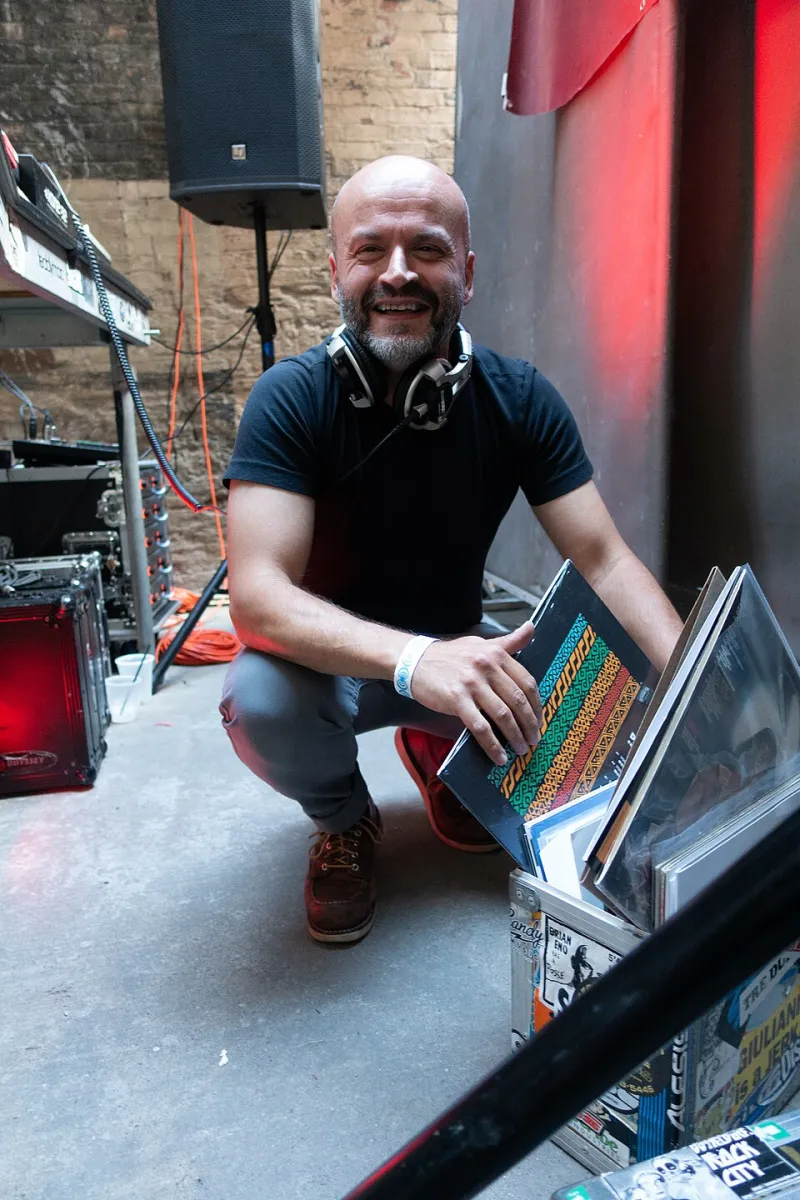
Photo: Deckblad, CC BY-SA 4.0, via Wikimedia Commons
There's a record sitting in a crate somewhere in a Tulsa, Oklahoma record shop. It has no barcode. The sleeve is hand-stamped in two colors of ink. Only 200 copies were ever made. And somehow, it's one of the most important releases of the last three years — at least according to the people who managed to find it.
That's the whole point.
Across the United States, a thriving underground ecosystem of micro-labels, bedroom imprints, and deliberately obscure record operations is doing something that feels almost countercultural in 2024: choosing scarcity over scale. These aren't vanity projects or hobbyist side hustles. They're full-blown philosophical stances against the streaming economy, against algorithmic discovery, against the idea that music needs to be accessible to everyone at all times to matter.
SubStrata has been tracking this movement for a while now, and what we're finding is way more interesting than a nostalgia trip for analog formats.
The Geography of the Underground
Forget Los Angeles. Forget Brooklyn. The most interesting vinyl action in America right now is happening in places that don't show up on the industry's radar — and that's precisely why it's flourishing there.
Kansas City has quietly become a hotbed for experimental and avant-garde pressings, with at least a dozen active micro-labels operating within city limits. Detroit — already legendary for its techno heritage — has spawned a second wave of imprints focused on archival reissues and hyper-local electronic music that never got its due the first time around. Louisville, Kentucky has a growing scene built around post-rock and ambient releases that regularly sell out before they're even officially announced.
Then there's Asheville, North Carolina. Ask any serious collector and they'll mention Asheville in the same breath as cities twice its size. The label collective operating out of a shared space on the west side of town — we're not naming names because they asked us not to — has released over 40 records in the past two years, none of them distributed through any conventional channel. You want a copy? You show up. Or you know someone who showed up.
"The city matters," says one label owner we spoke with, who runs a cassette and vinyl operation out of Pittsburgh. "When you're not in LA or New York, there's no pressure to perform for the industry. You're just making stuff for the people around you. And weirdly, that makes it travel further."
Small Numbers, Big Influence
Here's the paradox that keeps surfacing in conversations with label owners, artists, and collectors across the country: the smaller the run, the wider the cultural ripple.
A limited pressing of 300 copies creates a specific kind of urgency that streaming can't replicate. People talk about it. They post photos of the sleeve. They trade it. They write about it in newsletters that go out to 800 subscribers who are, it turns out, tastemakers at larger outlets, music supervisors for film and TV, or A&R folks at labels who would never admit they're paying attention.
One artist we spoke with — a sound collage musician based in Minneapolis — had her 150-copy lathe-cut record mentioned in a major music publication after it had already sold out. She received licensing inquiries from three different TV productions. She turned all of them down.
"If it's everywhere, it's nowhere," she told us. "The scarcity is the statement."
This philosophy is showing up in format choices too. Beyond standard vinyl, the underground is experimenting aggressively. Lathe-cut records — individually cut on repurposed cutting machines rather than mass-pressed — allow runs as small as one. Flexi-discs are making a comeback, tucked into zines and art books. Some labels are pressing on colored, patterned, or even transparent materials that function as visual art objects as much as audio carriers.
The Anti-Distribution Network
Conventional music distribution is built around maximizing reach. Micro-labels are building something that functions almost like its inverse: a network designed to reward effort and connection over convenience.
Record fairs are central to this ecosystem. Not the big commercial ones — the weird ones. Church basements in Cleveland. Pop-ups in converted laundromats in New Orleans. One-day events announced 48 hours in advance via mailing lists that you have to specifically seek out to find. These events function as community rituals as much as commercial transactions.
"I've met more genuinely interesting people at small record fairs than anywhere else in my life," says a collector based in Portland, Oregon, who estimates he owns close to 4,000 records, roughly half of which came from micro-label sources. "There's a shared language. You know what someone's about by what they're flipping through."
Some labels have gone even further off the grid, using subscription models that bypass storefronts entirely. Pay a flat rate, and four times a year something shows up in your mailbox. No tracklist announced in advance. No preview. Just a record and a handwritten note.
Influence Without Selling Out
The uncomfortable truth — uncomfortable for the underground, anyway — is that this stuff is trickling upward. Major labels have been quietly watching micro-label aesthetics for years, borrowing packaging ideas, signing artists who built followings through limited releases, and commissioning "limited edition" variants of mainstream albums that mimic underground sensibility without the actual scarcity.
Most micro-label operators are aware of this dynamic and have complicated feelings about it.
"It's flattering and annoying at the same time," admits one label owner in Albuquerque who runs a noise and experimental imprint. "They take the aesthetic and leave the ethics. The whole point isn't the look — it's the intention behind it."
But even as the aesthetic gets co-opted, the underground keeps moving. New formats, new cities, new distribution non-networks. The whole structure is designed to stay ahead of absorption.
That record in the Tulsa crate? By the time you read this, it might already be gone. That's not a tragedy — that's the feature.
Where to Start
If you want to find your way into this world, the entry points are deliberately non-obvious. Start with local record shops in mid-size cities and ask specifically about regional releases. Look for zines at shows. Find the mailing lists. Attend the weird fairs.
It takes effort. That's the whole point. The underground isn't hiding from you — it's just not going to come find you either. And honestly? That's what makes it worth finding.